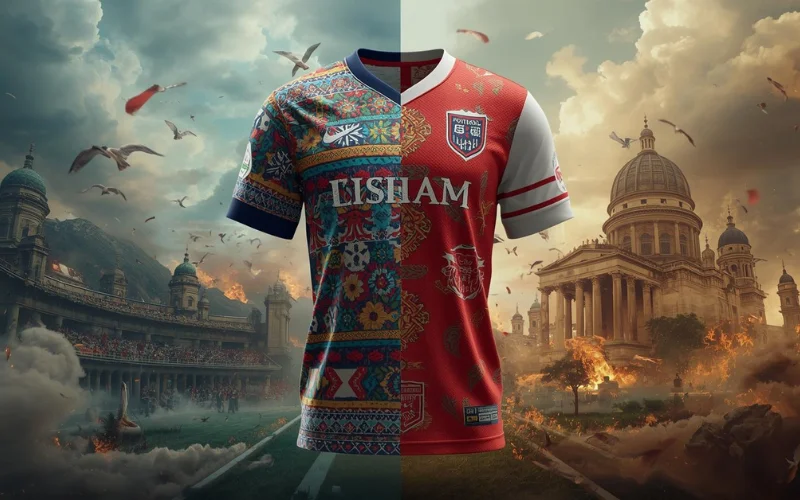
Top 10 Football Jerseys Inspired by Culture or History
Football jerseys are more than just sportswear. They tell stories of culture, history, and identity. Some kits celebrate national traditions, while others honor famous moments in history. Fans love these jerseys not only for their design but also for the meaning behind them. In this article, we rank the Top 10 Football Jerseys Inspired by Culture or History. From African art to Japanese heritage, each kit has a story that connects fans with something deeper than the game itself. Buy Now: Retro Football Jerseys Best Football Jerseys Inspired by Culture or History 10. Nigeria Home Jersey 2018 (Nike) The Nigeria 2018 kit became a global hit. Inspired by traditional agbada clothing patterns, the jersey combined green and white zig-zags with a bold modern flair. It reflected Nigerian culture proudly and showed national confidence on the world stage. Fans around the world rushed to buy it, and it even sold out online within minutes of release. Its popularity proved how football fashion can cross borders and influence global culture. 9. Japan Home Jersey 2022 (Adidas) This jersey took inspiration from origami art, a proud part of Japanese heritage. The geometric fold-style patterns made it unique and fresh on the pitch. It connected football with Japan’s centuries-old tradition of design, creativity, and craftsmanship. The kit stood out during the World Cup, where Japan impressed with wins over Germany and Spain, making it unforgettable. It also became a fan favorite for its clever mix of tradition and modern aesthetics. You may also like: Best Germany Football Jerseys of All Time 8. Mexico Home Jersey 2022 (Adidas) Mexico’s World Cup kit featured Aztec-inspired feather graphics across the chest and shoulders. It honored Quetzalcoatl, the legendary feathered serpent god in Mexican history. This cultural reference made the jersey one of the most admired designs of the tournament. It gave fans pride, connecting them to ancient heritage while cheering for the modern Mexican national team. The bold green design carried a strong cultural message, blending history with the passion of football. 7. Croatia Home Jersey 1998 (Lotto) Croatia’s checkered jersey has always represented its national identity. But the 1998 kit stood out as the country made a dream World Cup debut. The red and white squares showed cultural pride, unity, and tradition. Croatia reached the semi-finals that year, and the jersey became a symbol of strength for a young nation making history. It remains a fan favorite today, often ranked among the most iconic designs in football. Helpful Foryou: World Cup Final Football Jerseys of All Time 6. Peru Home Jersey 1970 (Umbro) Simple but iconic, this kit had the red diagonal sash, inspired by the Peruvian national flag. During the 1970 World Cup, it became one of the most recognizable cultural symbols in football history. Its clean design reflected elegance, patriotism, and pride. To this day, Peru’s sash remains one of football’s most admired cultural jersey designs. It has influenced future Peru kits and inspired many collectors worldwide with its timeless simplicity. 5. Cameroon Home Jersey 2002 (Puma) Cameroon shocked the football world with their sleeveless jersey, a bold break from tradition. It reflected African creativity, fearlessness, and uniqueness on the global stage. Though FIFA later banned it, the kit is remembered as a cultural statement in football fashion. Fans still recall it as one of the bravest and most talked-about designs ever. The jersey showed that innovation in sportswear can be controversial yet historically significant. Helpful Foryou: Best Spain Football Jerseys of All Time 4. Italy Renaissance Jersey 2019 (Puma) This green kit celebrated the Italian Renaissance period, highlighting the country’s artistic and historical roots. The elegant patterns resembled renaissance art, culture, and architecture. Fans praised it for blending Italy’s deep cultural history with modern sports design. The kit also stood out because Italy rarely wore green, making it even more special and unforgettable. It showed how national culture can inspire bold changes in traditional football kit colors. Must Read: Best Liverpool Football Jerseys of All Time 3. South Africa Home Jersey 2010 (Adidas) South Africa hosted the World Cup in 2010, and the home jersey showcased Zulu-inspired cultural designs. It symbolized unity, diversity, and African pride in front of the world. The bright yellow and green kit reflected both heritage and national identity. It became iconic as South Africa made history by hosting Africa’s first ever FIFA World Cup. The jersey remains a reminder of the nation’s cultural pride and its landmark global moment. 2. Brazil Away Jersey 2014 (Nike) This jersey honored Amazon tribal culture with subtle feather details around the collar and sleeves. It paid tribute to Brazil’s indigenous heritage, showing respect for ancestral traditions. Though less famous than the iconic yellow home kit, this design carried cultural depth and meaning. It reminded fans that Brazil’s football identity also comes from its diverse indigenous history. The jersey added cultural richness to Brazil’s legacy, making it a unique collectible piece. Must Read: Top Brazil Football jerseys of All Time 1. Argentina Away Jersey 2022 (Adidas) Argentina’s purple away kit symbolized gender equality, strength, and unity. The fiery sun graphic referenced Mayan and Incan culture, giving it historical depth. It became iconic as Argentina lifted the World Cup in it, led by Lionel Messi. A perfect blend of culture, meaning, and triumph, this jersey will forever be remembered as a legendary design. The kit not only represented heritage but also captured a global moment of celebration. Must Read: Best Argentina Kits of All Time Where to Buy the Best Football Jerseys in India? If you want to own jerseys inspired by culture or history, Universal Jerseys is one of the most trusted online stores in India. They provide a wide collection of international football kits, from timeless classics to the latest releases. Fans in India can easily order authentic jerseys at fair prices without worrying about fake products. The store also ensures smooth delivery and good customer support, making it a reliable choice for collectors and football lovers. Conclusion Football kits are
Top 10 Football Jerseys Inspired by Culture or History Read More »